Packaging today is no longer just a final operational step; it has evolved into a strategic function that directly impacts product quality, brand perception, and business scalability. As industries become more competitive and consumer expectations continue to rise, the need for efficient, accurate, and high-speed packaging solutions has grown significantly. Businesses are now investing in advanced machinery to ensure consistency, reduce waste, and enhance overall productivity.
In sectors such as confectionery, where product sensitivity and presentation are equally important, machinery plays an even more critical role. A Chocolate Packing machine is a prime example of how specialized equipment can ensure precise wrapping, sealing, and protection of delicate products while maintaining their visual appeal and freshness. Such innovations are helping manufacturers meet growing demand without compromising on quality.
Shift From Manual Packaging to Automated Systems
The packaging industry has undergone a massive transformation over the last few decades. Traditional methods that relied heavily on manual labor are being replaced by automated systems designed for speed and efficiency. This shift is not just about convenience; it is about survival in a market where delays, inconsistencies, and inefficiencies can directly affect profitability.
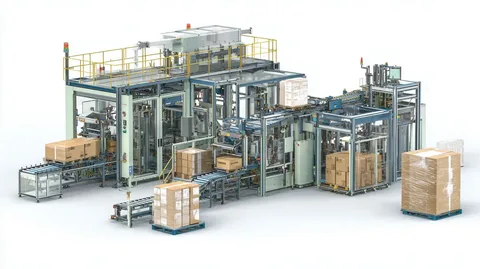
Automation has allowed manufacturers to scale operations while maintaining uniformity in output. Modern packaging lines are capable of handling large volumes with minimal human intervention, significantly reducing the risk of errors. This is especially important in industries like food and confectionery, where even minor inconsistencies can lead to product rejection or customer dissatisfaction.
Another key aspect of this shift is flexibility. Today’s machines are designed to handle multiple packaging formats and sizes, allowing businesses to adapt quickly to changing market demands. Whether it is bars, candies, or filled chocolates, manufacturers can switch between formats without major disruptions, making production more agile and efficient.
How Advanced Technology is Enhancing Packaging Performance
Technology has become the backbone of modern packaging machinery. Advanced systems now incorporate intelligent controls, sensors, and programmable interfaces that enable precise operation. These features allow manufacturers to monitor performance in real time, identify inefficiencies, and make quick adjustments to maintain optimal output.
One of the most significant advancements is the integration of data-driven systems. Machines can now collect and analyze performance data, providing insights into production efficiency, material usage, and maintenance needs. This predictive capability helps reduce downtime and ensures that machines operate at peak performance.

In addition, modern packaging machinery is designed with user-friendly interfaces that simplify operation and reduce the learning curve for operators. This not only improves productivity but also minimizes the chances of operational errors. The combination of advanced technology and ease of use makes these machines an essential investment for businesses looking to optimize their packaging processes.
Why Arceus India is a Trusted Partner for Packaging Solutions
As the demand for advanced packaging solutions continues to grow, Arceus India has positioned itself as a key player in delivering high-performance machinery tailored to modern industrial needs. Their approach focuses on combining innovation with reliability, ensuring that businesses receive solutions that are both efficient and durable.
Arceus India understands that every industry has unique requirements, and their machinery is designed to cater to these specific needs. Whether it is handling delicate confectionery products or ensuring high-speed production, their solutions are built to deliver consistent results. This level of customization allows manufacturers to optimize their operations and achieve better outcomes.
What sets Arceus India apart is their commitment to continuous improvement. By staying aligned with the latest industry trends and technological advancements, they ensure that their clients have access to cutting-edge solutions. Their focus on quality, performance, and customer support makes them a trusted partner for businesses looking to enhance their packaging capabilities.
The Role of Packaging Machinery in Maintaining Product Quality
Packaging plays a crucial role in maintaining the quality and integrity of products. In industries like confectionery, where texture, taste, and appearance are critical, even minor packaging flaws can have a significant impact. Advanced machinery ensures precise handling and secure sealing, protecting products from external factors such as moisture, air, and contamination.
Consistency is another key factor in quality assurance. Automated systems ensure that each product is packaged in the same way, maintaining uniformity across batches. This not only improves product reliability but also enhances brand credibility in the market.
Moreover, high-quality packaging contributes to better shelf life. By creating airtight seals and using appropriate materials, modern machinery helps preserve the freshness and flavor of products for longer periods. This is particularly important for chocolates and similar products that are sensitive to environmental conditions.
How Packaging Machinery Improves Operational Efficiency
Efficiency is one of the most significant advantages of modern packaging machinery. Automated systems are designed to maximize output while minimizing errors and downtime. This allows businesses to meet high production demands without compromising on quality.
One of the key benefits is the reduction in material wastage. Precision-driven machines ensure accurate filling and sealing, minimizing the loss of raw materials. This not only reduces costs but also supports more sustainable production practices.
Another important aspect is labor optimization. By automating repetitive tasks, businesses can reduce their reliance on manual labor and allocate resources more effectively. This leads to improved productivity and better utilization of human resources across the organization.
Understanding the Cost Benefits of Advanced Packaging Machinery
Investing in advanced packaging machinery may require a significant upfront cost, but the long-term benefits make it a worthwhile investment. Automated systems help reduce operational expenses by improving efficiency, minimizing errors, and lowering labor costs.
Modern machines are also designed for durability and low maintenance, ensuring consistent performance over time. This reduces the frequency of breakdowns and maintenance costs, further enhancing their value.
Scalability is another important advantage. As businesses grow, they can increase production capacity without making major changes to their infrastructure. This flexibility allows companies to adapt to market demands while maintaining cost efficiency.
How Changing Market Demands are Driving Packaging Innovation
Consumer expectations are constantly evolving, and this has a direct impact on packaging requirements. Today’s consumers look for products that are not only high in quality but also visually appealing and well-packaged.
In the confectionery industry, packaging plays a significant role in influencing purchasing decisions. Attractive designs and high-quality packaging can enhance the perceived value of a product, making it more appealing to consumers.
The growth of e-commerce has also increased the demand for durable and reliable packaging solutions. Products need to withstand transportation while maintaining their appearance and integrity. Advanced packaging machinery helps businesses meet these requirements, ensuring that products reach customers in perfect condition.
The Future of Packaging Machinery and Industry Growth
The future of packaging machinery is shaped by innovation, adaptability, and sustainability. As technology continues to evolve, machines will become more intelligent and capable of delivering higher levels of efficiency and precision.
Artificial intelligence and machine learning are expected to play a significant role in optimizing packaging processes. These technologies will enable machines to learn from data, predict issues, and improve performance over time.
Sustainability will also be a key focus area. Manufacturers are increasingly looking for solutions that reduce material usage and minimize environmental impact. Modern machinery is being designed to support these goals, helping businesses adopt more responsible production practices.
Customization will remain an important trend, with machines capable of handling diverse product types and packaging formats. This flexibility will allow businesses to cater to a wider range of consumer preferences and stay competitive in a rapidly changing market.