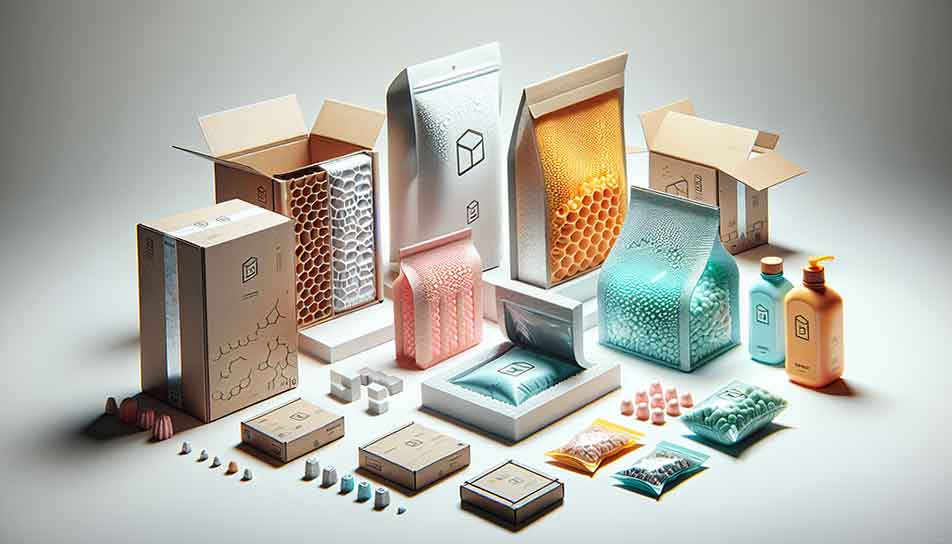
In an era where consumers expect brands to speak directly to them, personalisation has become one of the most powerful drivers of engagement. Businesses are no longer competing solely on product quality or pricing, they are competing on relevance. This shift has given rise to micro-branding, where companies tailor experiences to specific audience segments, communities, or even individuals. Within this evolving landscape, packaging has emerged as a key medium for delivering personalised brand experiences. Companies like Dhwani Polyprints are helping businesses move beyond standardised formats and explore how packaging can become a dynamic extension of their identity.
The idea is simple yet transformative: packaging is no longer static. It can adapt, communicate, and evolve alongside the brand and its audience. When used thoughtfully, it becomes a powerful tool for creating deeper connections and enhancing customer loyalty.
From Mass Production to Micro Experiences
Traditional packaging systems were built for scale. Standardisation allowed businesses to produce large quantities efficiently, ensuring consistency across markets. However, this approach often overlooked the diversity of customer preferences and experiences.
Today, businesses are shifting towards creating micro experiences, small, tailored interactions that feel personal and meaningful, where customised packaging plays a crucial role. It allows brands to adapt packaging elements such as design, messaging, and structure to suit specific campaigns, customer segments, or occasions.
This does not necessarily mean producing entirely different packaging for every customer. Instead, it involves strategic variations that create a sense of exclusivity and relevance. Limited-edition designs, region-specific aesthetics, and occasion-based packaging are all examples of how brands can achieve this balance between scalability and personalisation.
Packaging as a Communication Channel
One of the most underutilised aspects of packaging is its ability to communicate. Unlike advertisements that compete for attention, packaging is a guaranteed touchpoint; it is physically handled, examined, and experienced by the customer.
This makes it an ideal medium for storytelling. Brands can use packaging to share messages, highlight values, or create narratives that resonate with their audience. Personalised messages, unique design elements, or even subtle variations in tone can make packaging feel more engaging and less transactional.

In a world where consumers are constantly bombarded with digital content, this tangible form of communication stands out. It offers a moment of pause, allowing customers to connect with the brand in a more meaningful way.
The Rise of Occasion-Based Packaging
Another emerging trend in personalisation is the use of packaging to align with specific occasions. Whether it is festive seasons, cultural events, or personal milestones, businesses are finding new ways to make their packaging relevant to the moment.
Occasion-based packaging creates a sense of timeliness and excitement. It encourages customers to see products as part of a larger experience rather than isolated purchases. This approach not only enhances the perceived value of the product but also increases its shareability, particularly in social settings.
For businesses, this opens up opportunities to create recurring engagement throughout the year. Instead of relying on a single packaging design, they can introduce variations that keep the brand fresh and interesting.
Blending Functionality with Emotional Design
While personalisation often focuses on aesthetics and messaging, it is equally important to consider functionality. Packaging must still perform its core role effectively, ensuring that products are protected and easy to handle.
The challenge lies in blending functionality with emotional design. This means creating packaging that not only looks appealing but also feels intuitive and satisfying to use. Elements such as texture, structure, and ease of opening can significantly influence the overall experience.
When these elements are aligned with personalised design features, the result is a cohesive experience that engages both practical and emotional aspects of the customer journey. This holistic approach is what sets modern packaging strategies apart from traditional ones.
Data-Driven Personalisation in Packaging
As businesses become more data-driven, packaging is also beginning to reflect this shift. Insights from customer behavior, preferences, and purchasing patterns can inform packaging decisions, making them more targeted and effective.
For example, brands can use data to identify which designs resonate with specific audiences or which packaging formats are most convenient for certain use cases. This information can then be used to refine and optimise packaging strategies over time.
Data-driven personalisation does not replace creativity; it enhances it. It provides a foundation for making informed decisions, ensuring that packaging efforts are aligned with actual customer needs rather than assumptions.
Creating Shareable Moments Through Packaging
In the age of social media, packaging has taken on an additional role: it has become a catalyst for shareable moments. Customers are more likely to share experiences that feel unique, aesthetically pleasing, or emotionally engaging.
Personalised packaging can contribute significantly to this phenomenon. A distinctive design or thoughtful detail can turn a simple unboxing into a memorable event. This not only amplifies brand visibility but also creates authentic user-generated content.
For businesses, this represents an opportunity to extend their reach organically. Instead of relying solely on traditional marketing channels, they can leverage packaging as a tool for encouraging customer-driven promotion.
The Operational Side of Customisation
While the benefits of personalized packaging are clear, implementing it requires careful planning. Businesses must balance creativity with operational efficiency, ensuring that customisation does not lead to excessive complexity or cost.
Advances in printing technology and manufacturing processes are making this balance easier to achieve. Flexible production systems allow for variations in design without significant disruptions, enabling businesses to experiment with personalisation at scale.
The key is to approach customisation strategically. Rather than attempting to personalise every aspect, businesses should focus on areas that deliver the greatest impact. This ensures that efforts remain sustainable while still achieving meaningful differentiation.
Building Long-Term Brand Relationships
At its core, personalised packaging is about building relationships. It signals to customers that the brand understands and values them, creating a sense of connection that goes beyond the product itself.
This connection is particularly important in a competitive market where customers have numerous options. Brands that succeed in creating meaningful interactions are more likely to retain customers and foster loyalty.
Packaging, as a consistent and tangible touchpoint, plays a crucial role in this process. It reinforces the brand’s presence and keeps it relevant in the customer’s mind, even after the initial purchase.
Rethinking the Future of Packaging
As businesses continue to explore new ways of engaging with their audiences, packaging will play an increasingly important role in shaping these interactions. It is no longer confined to its traditional function but is evolving into a versatile tool for communication, differentiation, and connection.
The move towards personalised packaging reflects a broader shift in how businesses approach branding and customer experience. It is a recognition that every detail matters, and that even something as seemingly simple as packaging can have a profound impact.
By embracing this perspective, businesses can unlock new opportunities for innovation and growth. Packaging becomes more than just a container, it becomes a canvas for creativity, a platform for storytelling, and a bridge between the brand and its audience.