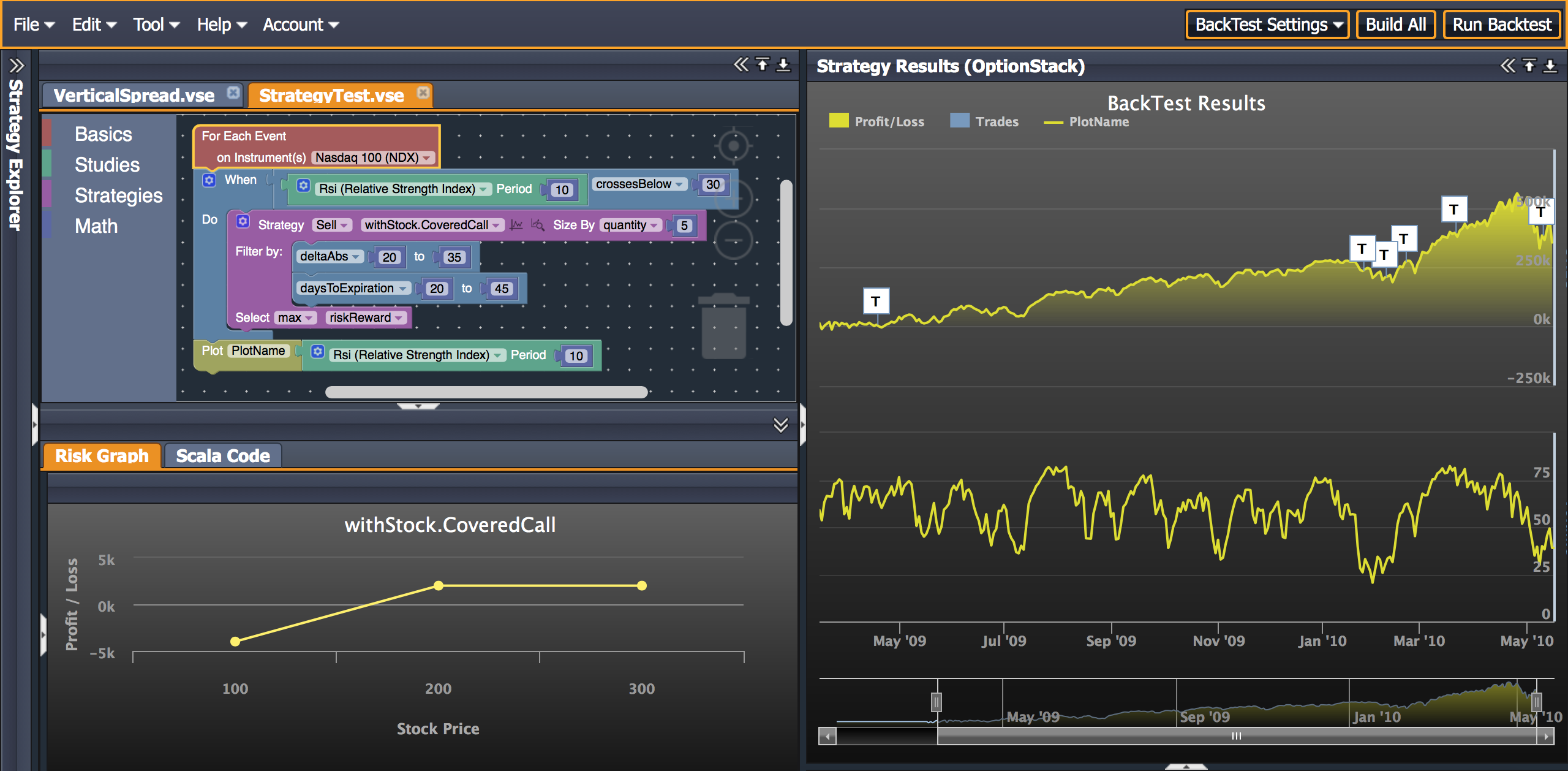
Backtesting looks incredible on paper. Charts showing steady profits, tiny drawdowns, returns that would make anyone jealous. Then you put actual money in, and those perfect historical results fall apart fast.
The gap between backtested performance and real trading frustrates tons of traders. Understanding why backtesting misleads helps you avoid expensive lessons learned through actual losses. Technical analysis service providers show off backtests as proof that their systems work, but that gap between theory and reality? Worth a closer look.
1. Survivorship Bias Inflates Everything
Backtests typically use current market constituents while conveniently skipping companies that failed or got delisted. This survivorship bias automatically makes results better because the test only includes winners that have survived until today. Real trading doesn’t have this luxury.
You’ll take positions in companies that might fail, dragging down performance in ways backtests never show. The historical data looks way cleaner than reality ever was.
2. Overfitting to Historical Data (It’s a Trap)
Complex trading systems with tons of settings can be tweaked until they perfectly match historical price movements. This overfitting creates systems so precisely calibrated to past data that they fail when market conditions change even a little.
The backtest shows gorgeous results because the system was built specifically to produce those results using that exact data. Live markets don’t play along with these over-tweaked approaches. Simpler systems with fewer adjustable parts usually work more consistently in real trading despite looking less impressive in backtests.
3. Transaction Costs Get Minimized or Ignored
Backtests often assume unrealistic transaction costs. They might use old commission structures, skip slippage, or assume perfect execution at desired prices. Real trading involves spreads, commissions, market impact, and slippage that add up fast, especially for active strategies.

A system showing modest profits in backtesting might lose money once realistic transaction costs are included. High-frequency approaches really suffer from this because small per-trade costs multiply rapidly.
4. Liquidity Assumptions That Don’t Hold
Backtests assume orders get filled at historical prices without considering whether enough liquidity existed at those levels. Large orders move prices. Backtests might show entering positions at specific prices that would have shifted significantly if those orders actually hit the market.
Bid-ask spreads vary, but historical data might only include midpoint prices, ignoring the spread between buying and selling prices that hits every trade. Market conditions change too. Liquidity present during the backtesting period might not exist when actually trading the strategy, especially in smaller markets or during stress periods.
5. Look-Ahead Bias and Data Mining
Some backtests accidentally use future information that wouldn’t have been available when trades supposedly happened. This look-ahead bias might involve using restated financial data, adjusted prices that weren’t known in real time, or indicators calculated with information from future periods.
Data mining creates another problem where testing hundreds of strategies and only reporting the best ones makes success look more common than it is. The winning strategy might just be the lucky result of random chance rather than an actual edge. Oops.
6. Market Regime Changes
Markets evolve. Relationships between assets change, volatility patterns shift, and strategies that worked historically stop working as market structure transforms. Backtests can’t predict these regime changes. Systems tuned for past market behavior often struggle when conditions differ.
The rise of algorithmic trading, changes in market microstructure, and shifts in correlation patterns all impact strategy performance in ways backtests can’t see coming.
Approaching Backtests Skeptically
Backtesting provides useful information about how strategies might have performed, but treating those results as predictions guarantees disappointment. Cut backtest returns significantly to account for all the ways real trading differs from simulations.
Focus on understanding why a strategy should work rather than getting dazzled by historical performance charts. Skepticism toward impressive backtests protects capital better than blind faith in historical simulations.