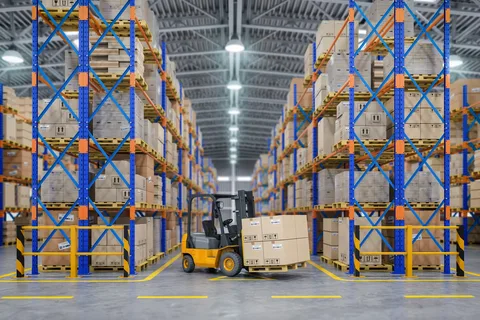
Every successful warehouse operation depends on a reliable heavy-duty racking system that can withstand the demands of modern logistics whilst maximising every square metre of available space. In Singapore’s competitive industrial sector, where operational efficiency directly correlates with profitability, the choice of storage infrastructure can make or break your business success.
Why Traditional Storage Methods Are Failing Modern Businesses
The days of floor-stacked inventory and makeshift shelving solutions are long gone. Today’s fast-paced distribution environment requires sophisticated storage systems that can handle massive loads, provide instant access, and adapt to changing inventory profiles. A professional heavy-duty racking system addresses these challenges head-on, transforming chaotic warehouses into precision-engineered logistics centres.
Traditional storage approaches create multiple operational challenges:
-
Weight Limitations: Standard shelving cannot handle industrial components, automotive parts, or construction materials
-
Safety Hazards: Floor-stacked inventory increases workplace accident risks significantly
-
Space Inefficiency: Poor vertical utilisation wastes valuable warehouse real estate
-
Access Problems: Makeshift solutions create bottlenecks during picking and restocking operations
-
Productivity Loss: Disorganised storage leads to extended search times and operational delays
Engineering Excellence: What Makes Heavy-Duty Systems Different
The fundamental difference between standard shelving and a heavy-duty racking system lies in the engineering approach. These systems deliver superior performance through:
-
High-Tensile Steel Construction: Premium materials provide exceptional strength and durability
-
Precision-Welded Joints: Professional welding techniques ensure structural integrity under extreme loads
-
Calculated Load Distribution: Engineering principles optimise weight distribution across all system components
-
Safety Margin Integration: Systems exceed minimum requirements, protecting against unexpected stress scenarios
-
Modular Design Flexibility: Components adapt to changing operational requirements without complete replacement
Load capacities range from 500kg to over 5,000kg per shelf level, with structural engineering principles governing every aspect from beam profiles and column specifications to connection methodologies and base plate configurations.
Measurable Benefits That Impact Your Bottom Line
Implementing a properly designed heavy-duty racking system delivers quantifiable improvements across multiple operational metrics:
-
Storage Density Increase: Achieve 400-500% more storage capacity within the same footprint
-
Labour Efficiency: Reduce picking times by up to 60% through improved organisation
-
Safety Enhancement: Eliminate 90% of storage-related workplace accidents
-
Inventory Accuracy: Improve stock control precision by 85% through systematic placement
-
Maintenance Reduction: Decrease equipment damage by 70% through proper storage protocols
Load Classification and Safety Compliance
Understanding load classifications remains crucial for optimal system performance. Singapore’s Workplace Safety and Health regulations mandate specific requirements for industrial racking installations, with key compliance areas including:

-
Regular Inspection Schedules: Mandatory safety assessments ensure ongoing structural integrity
-
Load Capacity Certifications: Professional verification of weight-bearing capabilities
-
Seismic Activity Considerations: Design calculations account for regional earthquake factors
-
Thermal Expansion Allowances: Systems compensate for temperature-related material changes
-
Forklift Operation Integration: Dynamic load calculations include equipment movement impacts
Professional engineers conduct thorough site assessments to ensure compliance with local building codes and international safety standards, with proper specifications incorporating these variables whilst maintaining structural integrity under all operating conditions.
Configuration Options for Every Application
Modern racking solutions offer diverse configuration possibilities to match specific operational requirements:
-
Pallet Racking Systems: Provide selective access for high-turnover inventory management
-
Drive-In Configurations: Maximise storage density for slower-moving stock items
-
Cantilever Designs: Accommodate long or irregularly shaped items that traditional systems cannot handle
-
Push-Back Systems: Combine density benefits with accessibility advantages for varied inventory
-
Flow-Through Solutions: Create continuous movement systems for first-in, first-out operations
The key lies in matching system capabilities to workflow requirements whilst maintaining operational flexibility for future changes and expansions.
Advanced Technology Integration
Contemporary heavy-duty racking system installations increasingly incorporate intelligent technology elements. Warehouse Management System integration, automated inventory tracking, and real-time monitoring capabilities transform traditional storage into smart logistics hubs that provide comprehensive visibility and predictive maintenance alerts.
Installation Excellence and Quality Assurance
Professional installation remains paramount for optimal performance and safety compliance. Certified technicians understand structural requirements, anchoring specifications, and regulatory standards, ensuring systems perform according to design specifications whilst maintaining long-term reliability.
Financial Analysis and Return on Investment
The economic benefits of implementing a heavy-duty racking system extend far beyond initial storage improvements. Comprehensive cost-benefit analyses typically demonstrate payback periods of 18-24 months, with ongoing operational savings continuing for decades, making racking system investments strategic decisions rather than operational expenses.
Maintenance Strategies for Long-Term Performance
Proactive maintenance ensures continued performance and safety compliance throughout system lifecycles. Comprehensive maintenance programmes should include:
-
Structural Integrity Assessments: Regular evaluation of load-bearing components and connections
-
Load Capacity Verifications: Ongoing confirmation of weight-bearing capabilities under operational conditions
-
Safety Feature Functionality Checks: Testing of all protective elements and warning systems
-
Preventive Issue Identification: Early detection of potential problems before they impact operations
-
Professional Maintenance Contracts: Expert oversight ensuring regulatory compliance and optimal performance
These protocols identify potential issues before they impact operations, reducing downtime and extending system lifespan significantly whilst maintaining peace of mind for warehouse managers.
Environmental Sustainability and Corporate Responsibility
Modern heavy-duty racking system designs emphasise environmental responsibility through recycled steel components that remain fully recyclable at end-of-life, supporting Singapore’s Green Plan initiatives and demonstrating corporate commitment to sustainable business practices.
Expert Selection Guidance
“The right racking system transforms warehouse chaos into competitive advantage, enabling businesses to scale efficiently whilst maintaining service excellence,” observes a leading Singapore industrial storage consultant. Professional consultation ensures that technical specifications align with business objectives through comprehensive assessments of immediate needs and long-term strategic goals.
Strategic Investment in Operational Excellence
The decision to implement a heavy-duty racking system represents a strategic investment in operational excellence that delivers measurable benefits across multiple business dimensions. From optimised space utilisation and enhanced safety protocols to increased productivity and improved inventory control, these systems provide the foundation for sustained competitive advantage in Singapore’s dynamic marketplace, making the heavy-duty racking system an essential component of successful warehouse operations.